Why Data Mesh?
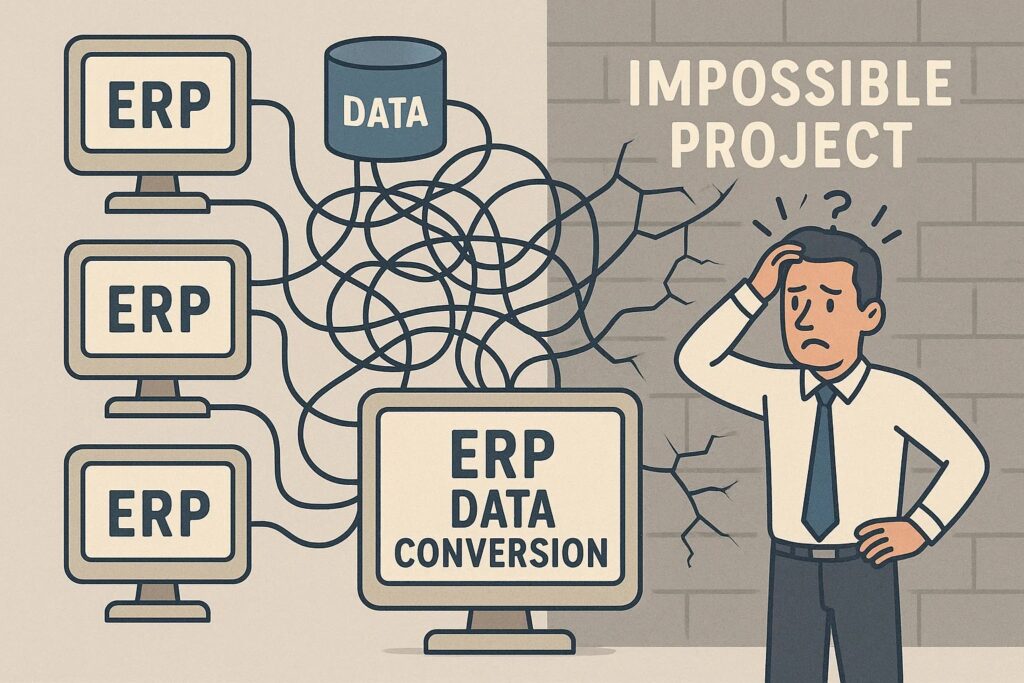
- Traditional centralized data platforms often struggle to scale, leading to bottlenecks, slow delivery, and limited data product innovation.
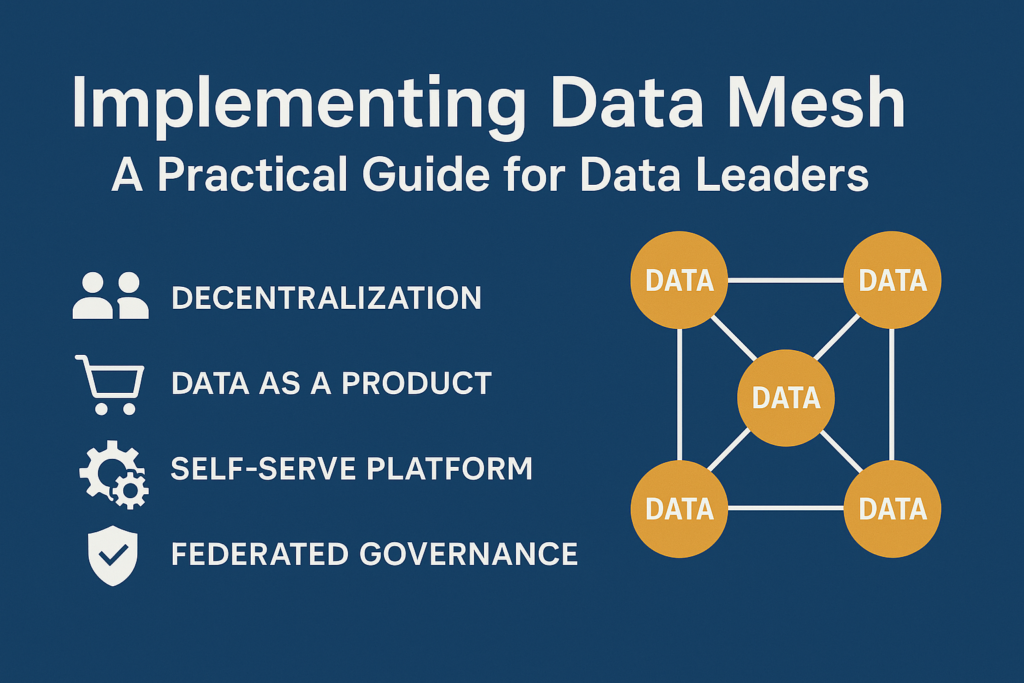
- Data Mesh is a modern paradigm designed for agility, domain-driven ownership, and treating data as a product.
Core Principles of Data Mesh
- Decentralized Data Ownership: Empower domain teams to own, manage, and deliver their data products.
- Data as a Product: Encourage thinking of data as products, not just assets. Focus on quality, discoverability, and user satisfaction.
- Self-Serve Data Infrastructure: Build infrastructure that allows teams to publish, discover, and consume data products easily, promoting autonomy.
- Federated Computational Governance: Implement governance that balances global policies with domain autonomy for compliance and quality.
Steps to Begin Your Data Mesh Journey
- Secure Stakeholder Buy-In
- Get executive sponsorship.
- Articulate clear business value and measurable outcomes (e.g., faster data delivery, increased reuse, improved analytics).
- Map Domains and Identify Data Products
- Align with business domains (e.g., sales, customer, product).
- Identify high-value, cross-team data products—make them FAIR (Findable, Accessible, Interoperable, Reusable).
- Empower Data Product Owners
- Designate product owners with clear decision rights.
- Foster collaboration and product mindset in domain data teams.
- Build Iteratively
- Start with a well-defined use case or pilot (e.g., customer 360, sales analytics).
- Build minimum viable data products. Refine based on feedback.
- Deploy Self-Serve Infrastructure
- Invest in tooling for data publishing, discovery, lineage, access control, and monitoring.
- Automate onboarding, schema management, versioning.
- Govern Responsibly
- Create federated governance policies for privacy, security, and standards.
- Use data contracts and automated validations to ensure compliance.
- Measure & Optimize
- Track adoption, consumption, and business impact.
- Gather feedback and iterate on product, infrastructure, and governance.
GenAI and the Future of Data Mesh
- Integrate Generative AI for smarter data product creation, metadata enrichment, and enhanced discovery.
- Build teams and operating models that can scale with new AI-driven capabilities.
Final Takeaway
A successful Data Mesh rollout isn’t just about technology—it’s an organizational transformation. Focus on business alignment, cultural change, product mindset, and iterative improvement. Leverage real-world use cases, invest in self-service infrastructure, and establish strong governance for lasting impact.