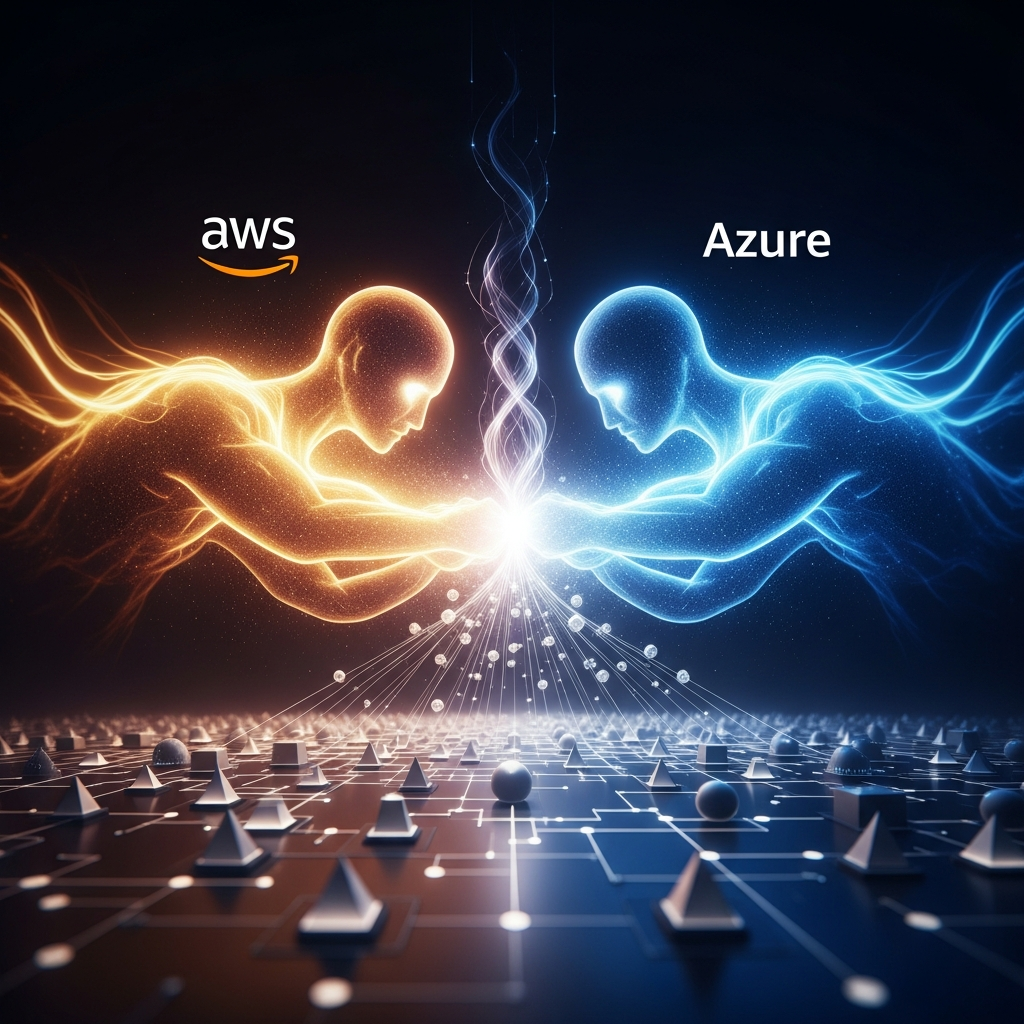
Two giants in the world of digital infrastructure, AWS Sagemaker and Azure Fabric, are vying for dominance, offering highly scalable solutions for data handling, business intelligence, and AI operations. But how do they stack up against each other?
1. Under the Hood: Structural Differences
AWS Sagemaker’s robust machine learning and artificial intelligence capabilities put it ahead for enterprises seeking machine learning features. But Azure Fabric’s strength lies in its microservices capabilities – its model provides extensive scalability and management of unforeseen loads, making it a viable choice for larger enterprises.
2. Data Management and Governance
Both platforms provide robust data management features. However, AWS Sagemaker provides more granularity in data governance, allowing users to control usage rights at micro levels. Azure Fabric is simpler and more streamlined but does not provide as much precision.
3. Ecosystem and Compatibility
AWS Sagemaker’s ecosystem is backed by a suite of other AWS services that can be integrative and complementary. Azure Fabric, backed by Microsoft, allows for seamless integration with other Microsoft products and services.
4. Cost Implications
Cost will always be a consideration. Azure Fabric, with its straightforward pricing model, offers better cost predictability. AWS Sagemaker, despite its powerful features, can become expensive because of the pay-as-you-go model.
So, Who wins?
The answer largely depends on your business’s specific needs and existing infrastructure. Evaluate both platforms carefully, considering all these factors. No solution is perfect for every scenario, but a clear understanding of your needs can guide you toward the most appropriate platform.